Pre Pregnancy Nutrition: Preparing for a New Chapter in Life
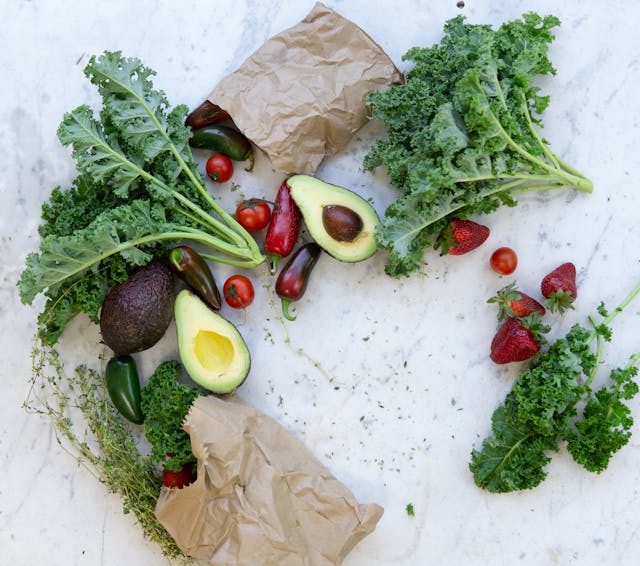
Pregnancy is not just the process of bringing a baby into the world — it is also a unique time of physical, emotional, and mental transformation. Preparing for this journey in a healthy way is one of the greatest gifts a woman can give herself and her future baby. One of the key foundations of this preparation is nutrition.
Why Is Pre-Pregnancy Nutrition Important?
Many women believe that they only need to pay attention to their nutrition after becoming pregnant. However, a woman's dietary habits before conception can influence both fertility and the risks associated with pregnancy.
Eating the right foods at the right time can have lasting effects on the baby’s development, the mother’s immunity, and her overall well-being. A healthy beginning is the foundation for a healthy journey.
1. The Power of Balanced Nutrition
A well-balanced diet is essential for overall health and well-being, especially when preparing for pregnancy. This means incorporating a variety of foods from all food groups to ensure you’re getting a wide range of nutrients.
During pregnancy, your body essentially works for two. That’s why it’s crucial to correct any deficiencies before conception. Iron: Deficiency can lead to fatigue, weakness, and a weakened immune system. Vitamin B12 and Vitamin D: Crucial for the nervous system and bone health. Iodine: Supports thyroid function and brain development. Calcium: Important for the baby's bone and teeth development.
- Fruits and vegetables: Rich in vitamins, minerals, and fiber. They support the immune system.
- Whole grains: Provide energy and aid digestion.
- Protein sources: Meat, poultry, fish, eggs, legumes — all support cell regeneration.
- Healthy fats: Olive oil, avocado, walnuts, almonds — essential for hormone balance.
- Dairy products: High in calcium, support bone development.
2. Folic Acid: Your Baby’s First Protector
Folic acid plays a critical role in preventing neural tube defects and supporting the baby's nervous system development.
- Start taking folic acid at least 3 months before conception.
- 400 mcg per day is generally recommended.
- Found in leafy green vegetables, legumes, and whole grains.
3. Replenish Your Vitamin and Mineral Stores
- Iron: Deficiency can lead to fatigue, weakness, and a weakened immune system.
- Calcium: Important for the baby's bone and teeth development.
- Vitamin B12 and Vitamin D: Crucial for the nervous system and bone health.
- Iodine: Supports thyroid function and brain development.
4. Achieve a Healthy Weight
Being underweight or overweight can increase certain risks during pregnancy. Reaching a healthy Body Mass Index (BMI) through proper nutrition and exercise is beneficial.
Gentle physical activities like walking, yoga, or pilates can help prepare your body for pregnancy and childbirth.5. Say Goodbye to Harmful Habits
Once you begin planning for pregnancy, it’s important to leave behind certain habits:
- Smoking can decrease fertility and harm the baby's development.
- Alcohol consumption is strictly discouraged during pregnancy.
- Excessive caffeine should also be avoided — aim for less than 200 mg per day. Think of this time as a "cleansing phase" — one that will nourish both your body and your mind.